Institute for Development
Sierra Leone
An IfD researcher filling in a questionnaire

Data collection

Experienced field teams, digital tools and local knowledge for high-quality quantitative, qualitative and mixed-methods data, in every region of Sierra Leone.

Why IfD

Field teams who live where the work is

Our enumerators and district coordinators are based across Sierra Leone’s regions and interview in Krio, Temne, Mende, Fula and other local languages, so what gets said is what gets recorded.

Quality checked while teams are still in the field

Certified interviewers, real-time data checks, back-checks and GPS-recorded interviews catch problems on the day, not at the analysis stage.

Sensitive topics handled with care

Safeguarding, informed consent and assent are built into every protocol, and our studies hold approval from the Sierra Leone Ethics and Scientific Review Committee.

What do you need to know?

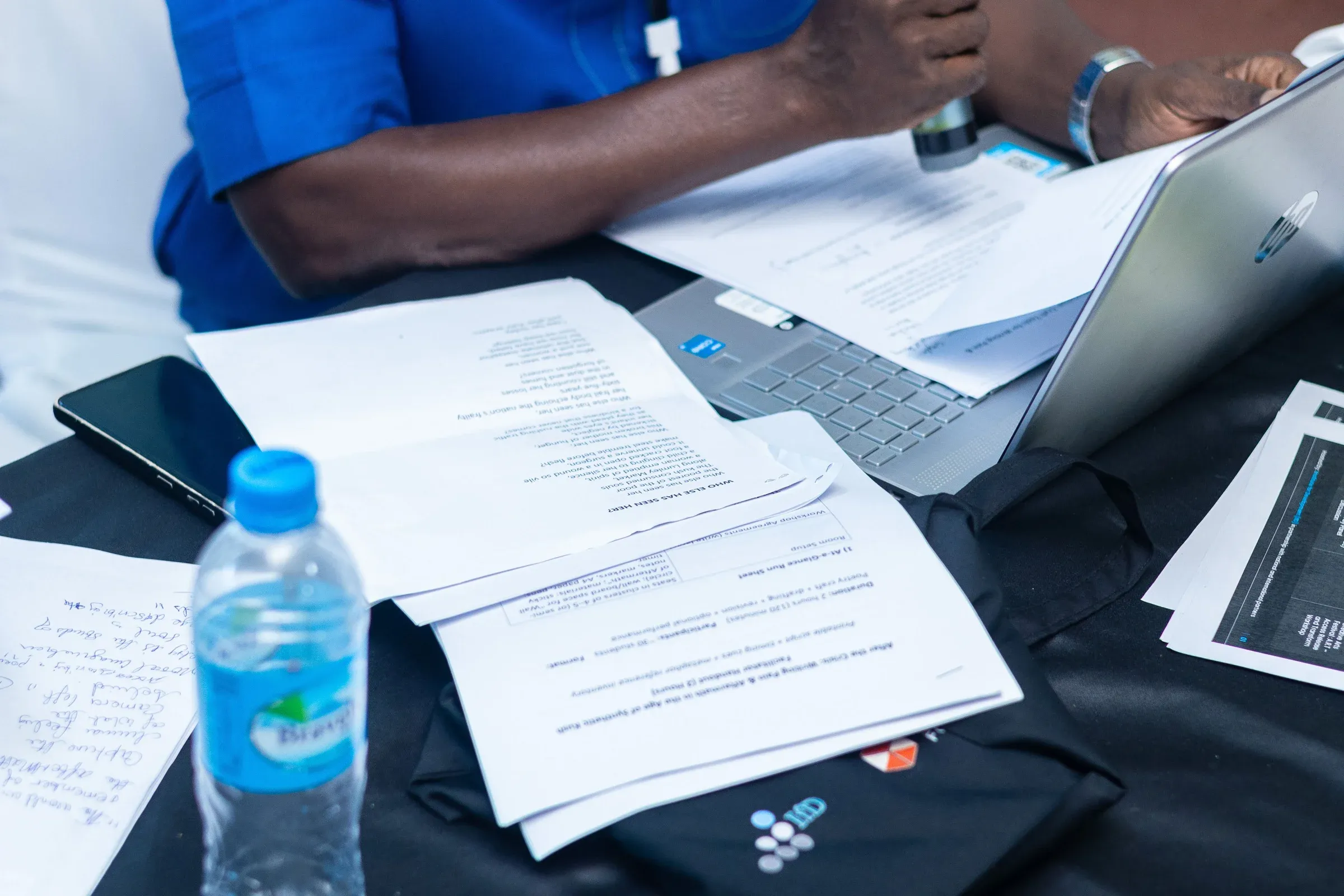
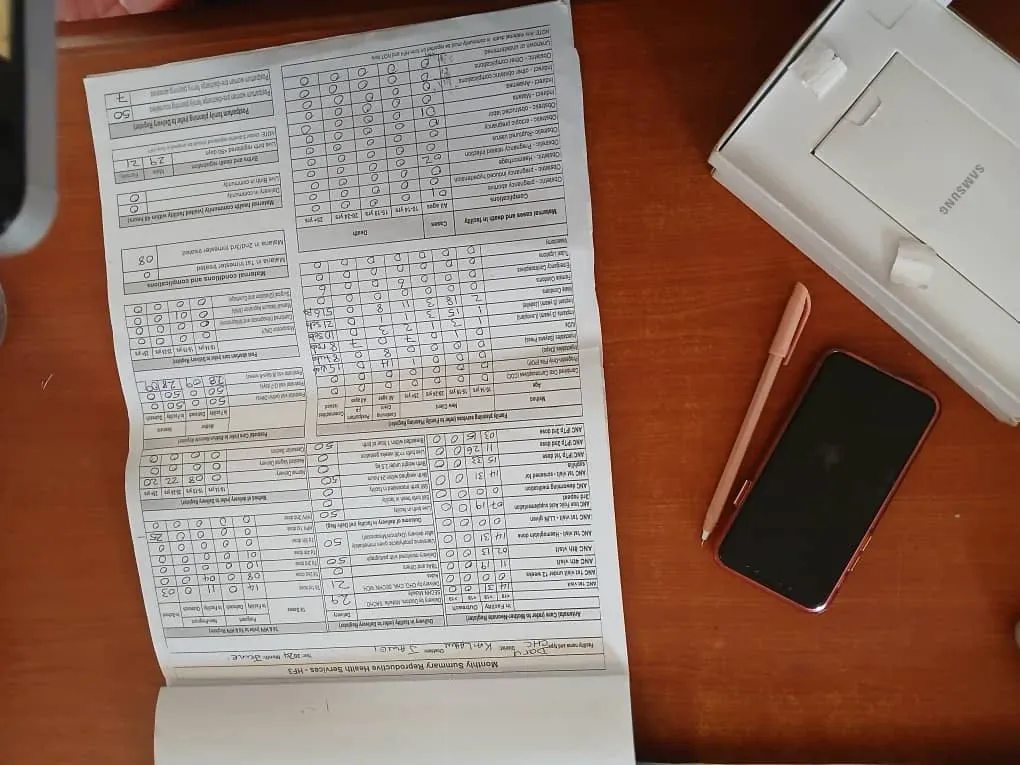
A completed questionnaire on a table beside a phone

Household and large-scale surveys

Nationally representative and district surveys of households, schools, facilities and sites, stratified across Sierra Leone’s regions and run on tablets with KoboToolbox or SurveyCTO.

The largest is under way now: a nationally representative household survey for the Global Development Network on who Sierra Leone’s digital ID system reaches. Both tools work offline, so an interview in a village with no signal is recorded exactly as one in Freetown would be.

Recent work

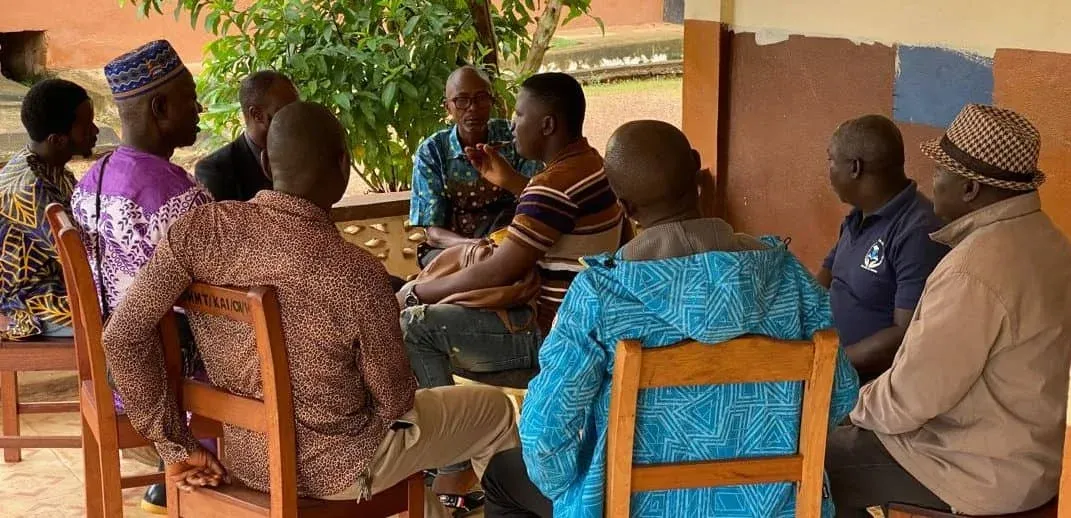
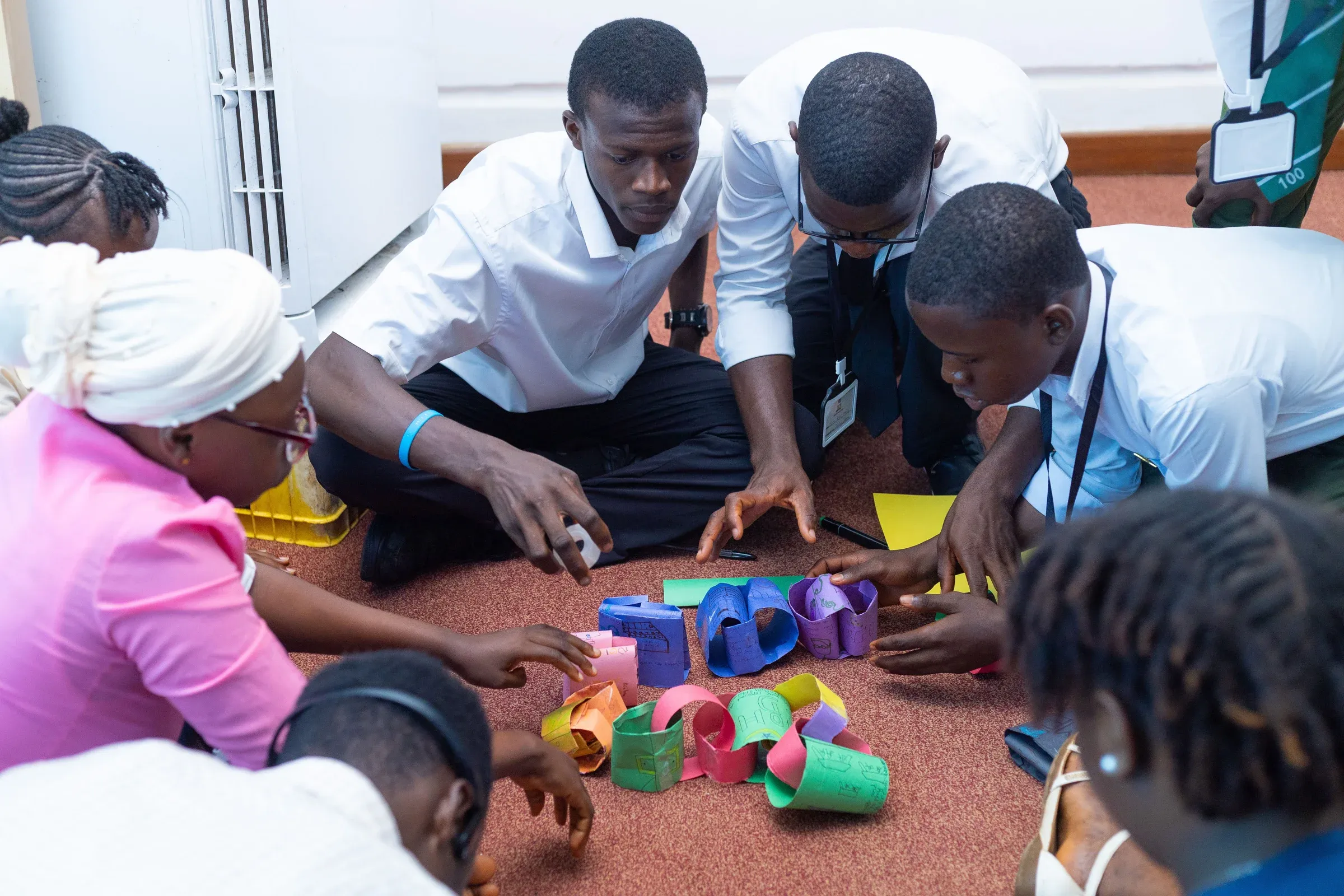
Community members in a group discussion with IfD researchers

Qualitative fieldwork

In-depth and key informant interviews, focus groups, observation, oral history and participatory methods, run by researchers who speak the language of the room.

We record, transcribe verbatim and translate in-house, so a client receives what people actually said, not a field officer’s summary of it.

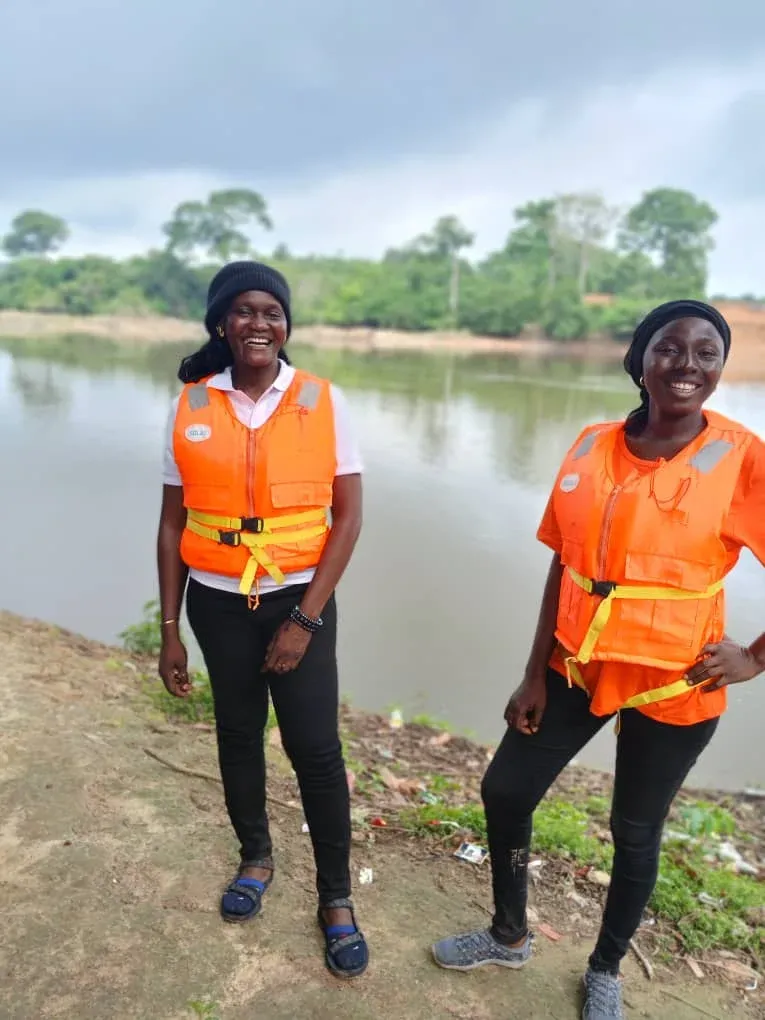
Two IfD enumerators in life jackets at a river crossing on the way to a community

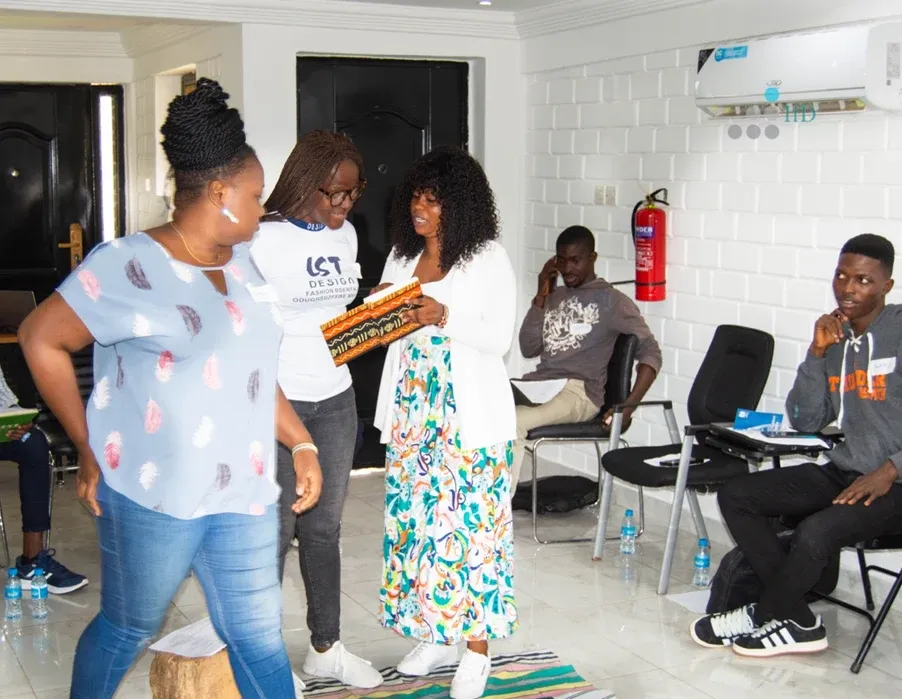
Participatory, peer and sensitive research

Our enumerators and district coordinators live in the regions where the work happens, and interview in English, Krio, Temne, Mende, Fula and Limba.

Safeguarding, informed consent and assent are built into every protocol. Where the subject calls for it, the people affected take part in the research itself: persons with disabilities interviewing other persons with disabilities, community leaders mapping who holds power, adolescents followed over several years.

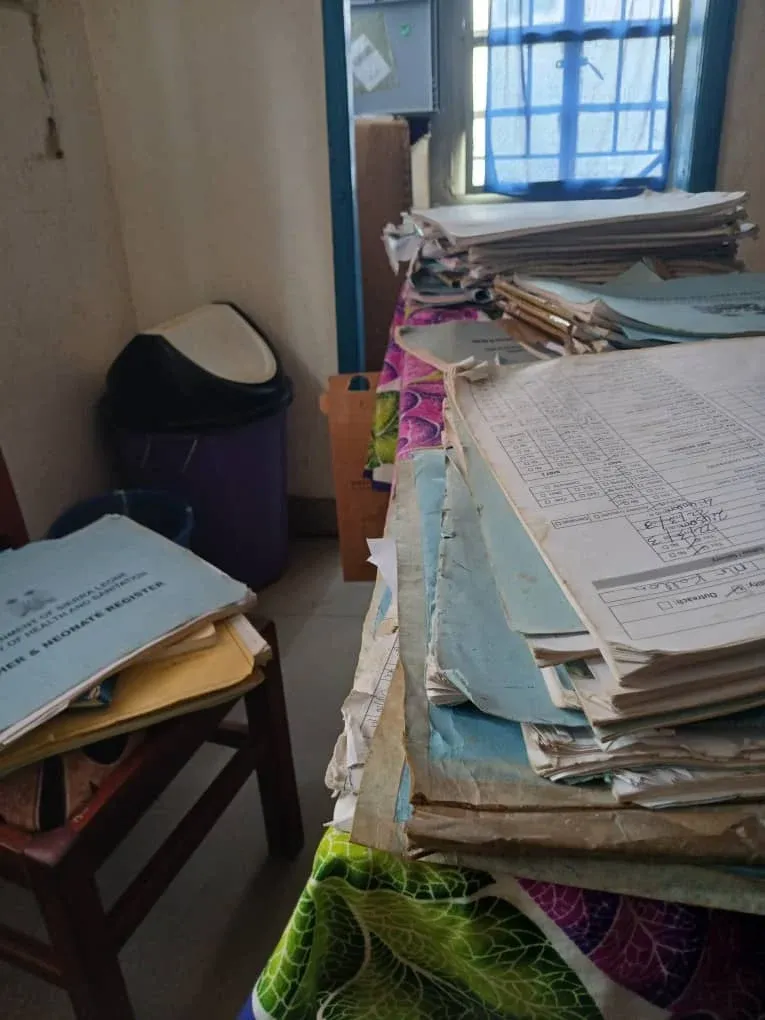
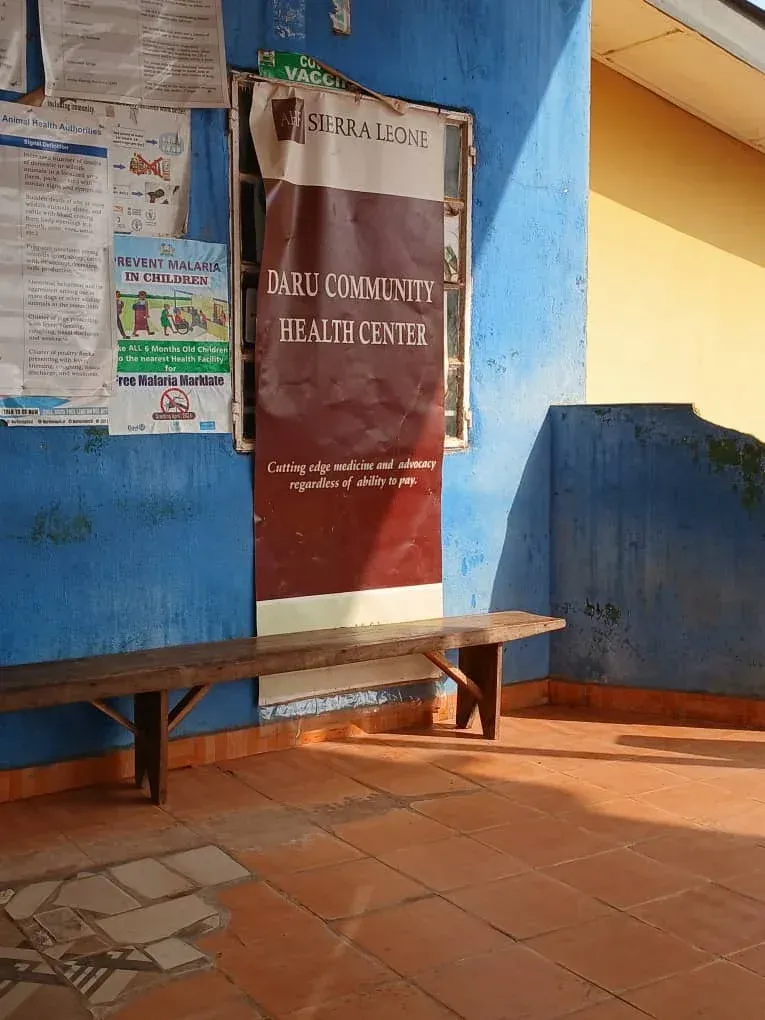
Stacks of paper registers at a health facility

Records and administrative data

Much of what a country knows sits in paper registers. We extract, digitise and check facility and programme records, so years of routine data can be analysed alongside new fieldwork.

Recent work

More about our data collection

Our other services

Commissioning this kind of work?

Tell us the decision you are trying to make and we will tell you what evidence would help, and how we would gather it.