Health
Interrupted time series analysis of adolescent SRHR services
Modelling whether facility-level changes shifted adolescent uptake of antenatal care and family planning.
Context
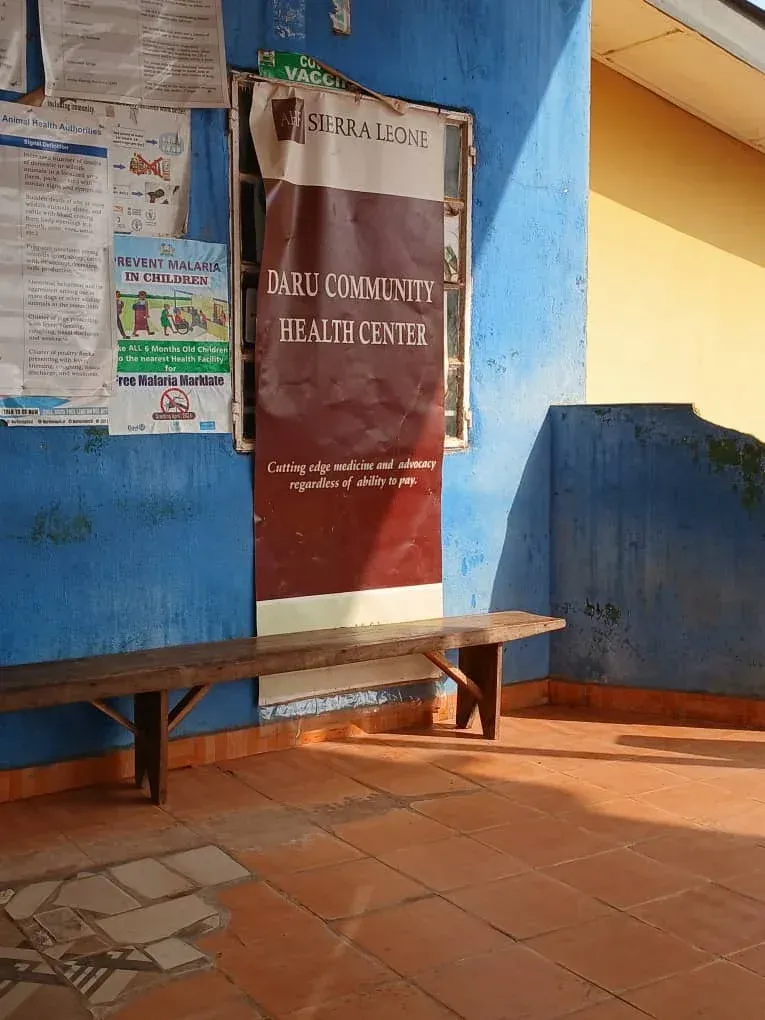
The FOUNDATIONS project is a six-year initiative to strengthen gender-responsive, adolescent-friendly health services across Sierra Leone. ODI is the lead research partner, and IfD’s work on FOUNDATIONS, this analysis included, sits within that partnership. Save the Children is the implementing partner in Sierra Leone, and the Hospital for Sick Children (SickKids) leads the quantitative work. IfD is the in-country partner evaluating the project’s facility-level activities (staff training, supply chain support, and facility rehabilitation) in Kailahun District, one of the areas with the country’s highest rates of adolescent pregnancy and lowest uptake of facility-based antenatal care (ANC) and family planning (FP) services among adolescents.
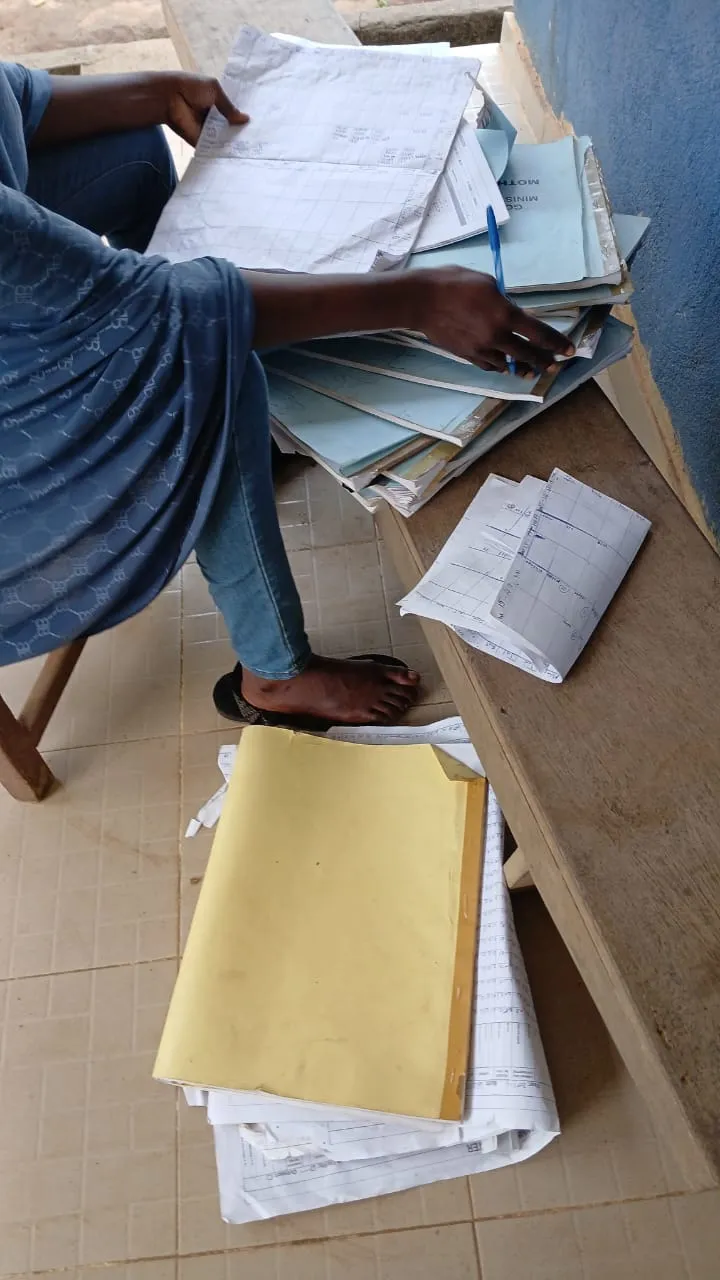
SickKids is leading a retrospective interrupted time-series (ITS) analysis to determine whether these interventions increased adolescent uptake of ANC and FP services. An ITS design depends on a long, consistent run of data points before and after each intervention, but that data wasn’t sitting in a database anywhere. It existed only in paper registers, spread across 40 health facilities.
Process
Turning six years of paper records into an analysis-ready dataset required a five-part approach:
-
Defining the extraction window – IfD and SickKids agreed on a January 2019–March 2025 window, long enough to capture pre-intervention, roll-out, and post-intervention periods for each facility.
-
Mapping data sources to indicators – Rather than a single register, the team identified three separate primary sources per facility (Mother and Neonate Registers, Family Planning Registers, and monthly summary reports) and matched each to the specific monthly counts the ITS design needed (first/fourth ANC visits, new/repeat FP uptake, disaggregated by age and sex).
-
Building in covariates from the outset – Alongside service counts, enumerators extracted staffing levels, facility characteristics, and intervention timing (training dates, rehabilitation completion) so SickKids’ analysis could link changes in uptake to specific facility-level activities rather than just time.
-
Digitizing at the point of extraction – To avoid a second, error-prone transcription step, data was captured directly onto ODK and KoboCollect tablets in the field and uploaded to a secure server rather than stored locally, with IfD’s data analysts monitoring the backend daily to catch missing entries or inconsistencies before they reached the analysis stage.
-
Piloting before scaling to all 40 facilities – Two field teams tested the extraction tools and workflow at a subset of facilities near Kailahun town first, surfacing register-formatting quirks and logistical issues, like facilities reachable only by motorbike, before the full eight-enumerator rollout.
Outcome
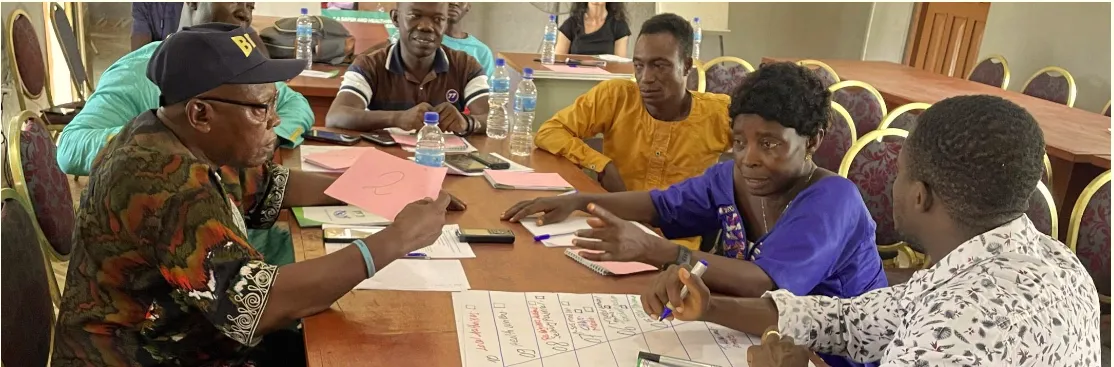
The result is a facility-level panel dataset spanning all 39 FOUNDATIONS-supported facilities in Kailahun District, structured so SickKids can run the ITS analysis against a clean, consistently coded time series rather than raw register scans. IfD is now supporting the interpretation phase, running workshops with Save the Children, the District Health Management Team, and community representatives to triangulate what the numbers show with what facility staff and adolescents actually experienced.
Extracting a usable time series from paper-based routine health records at this scale is as much a logistics and quality-assurance problem as an analytical one: getting the covariates right at the point of collection, not after, is often what determines whether an ITS design can actually answer the question it was built for.