Institute for Development
Sierra Leone
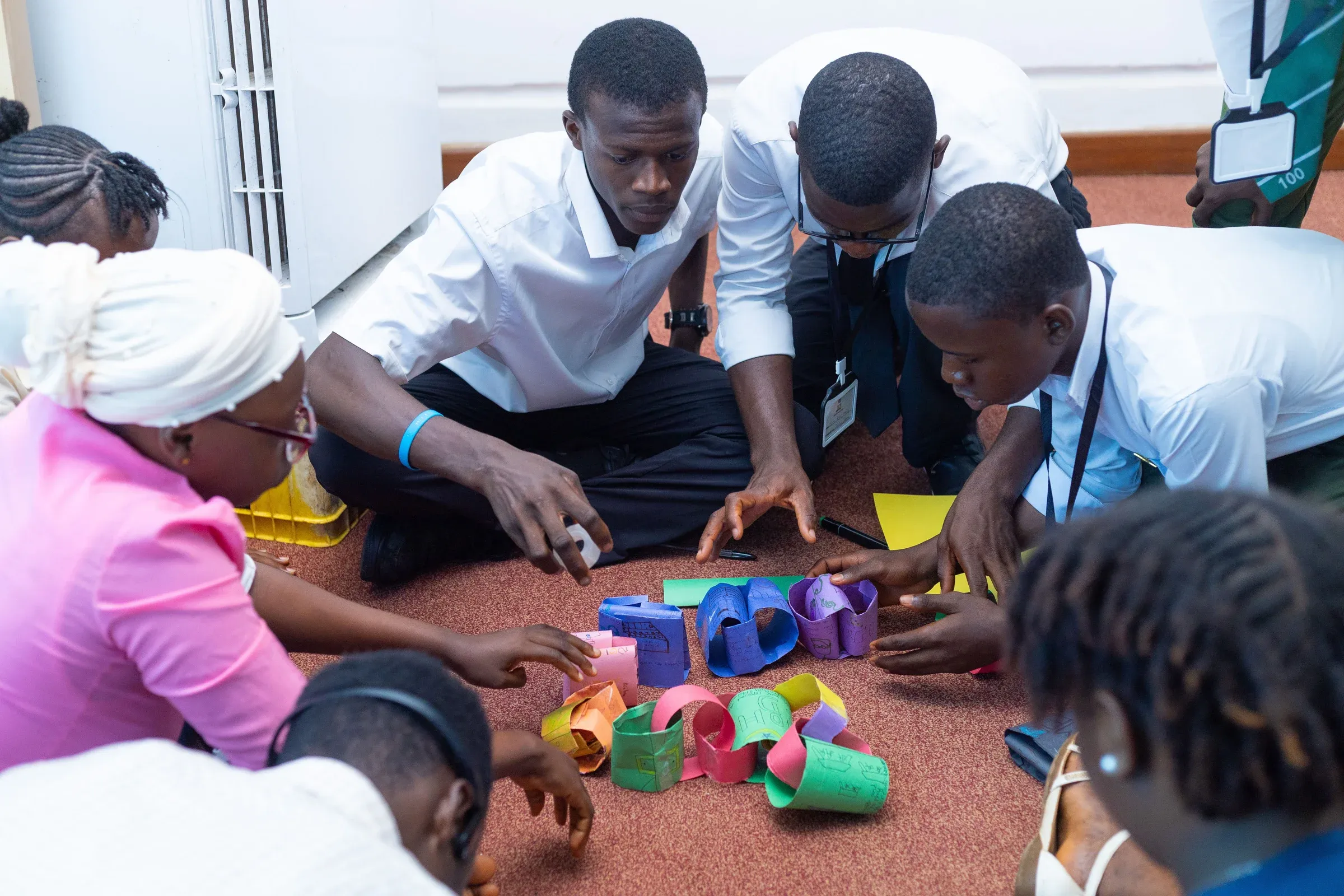
Participants mapping a problem together with coloured blocks at an IfD workshop

Mixed methods research

Full-cycle studies that combine numbers and voices: what changed, why, and for whom it did not, from the first question to the people who act on the answer.

Why IfD

Shaped by the people it affects

A deep understanding of Sierra Leone’s local contexts and institutions, and close ties with partners and communities, mean the questions are the right ones. Techniques such as power mapping show who decides and who lives with the decision.

Methods under external scrutiny

Our researchers publish in the peer-reviewed literature under the institute’s own name, which holds the designs we deliver to clients to a standard set outside the contract.

Evidence that reaches the decision

Findings go back to the people who can use them, through reform coalitions and the National Evidence Summit, not only into a report.

One team, every stage

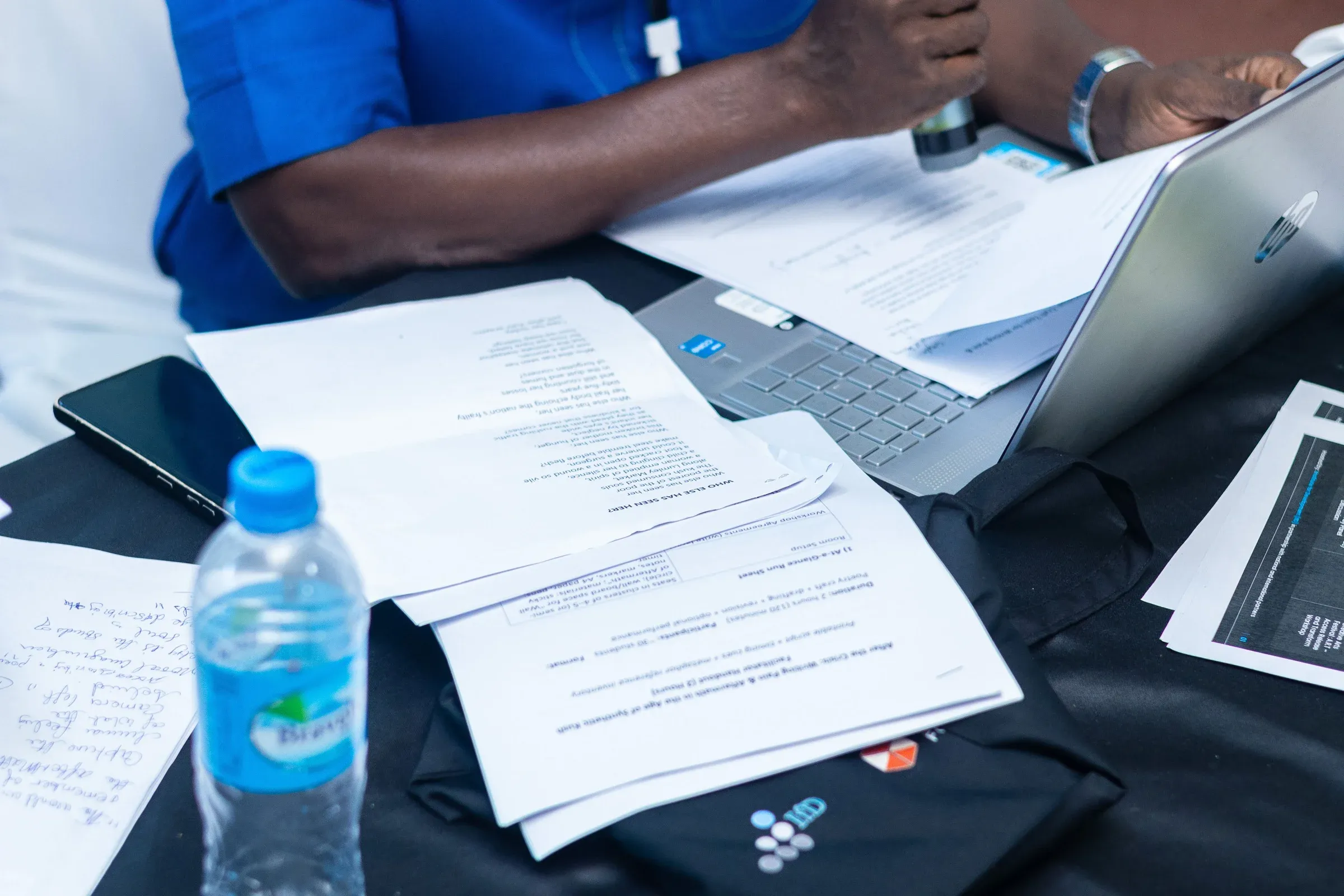
Research papers and notes beside a laptop

Desk and systematic reviews

We find, appraise and summarise existing research, reports and policy documents to give partners a clear picture of what is already known. Often the answer, or most of it, already exists.

For this we use Sabi Core, the living evidence platform built by our sister company, IfD Tech. See Evidence synthesis.
Participants mapping a problem together with coloured blocks

Study design

Good research starts with the right design. We bring a deep understanding of Sierra Leone’s local contexts and institutions, and close ties with partners and communities, so the research is shaped by the people it affects.

Techniques such as power mapping show who shapes a decision and who lives with it, and help us find the most relevant questions and design methods that are both rigorous and fit for purpose.

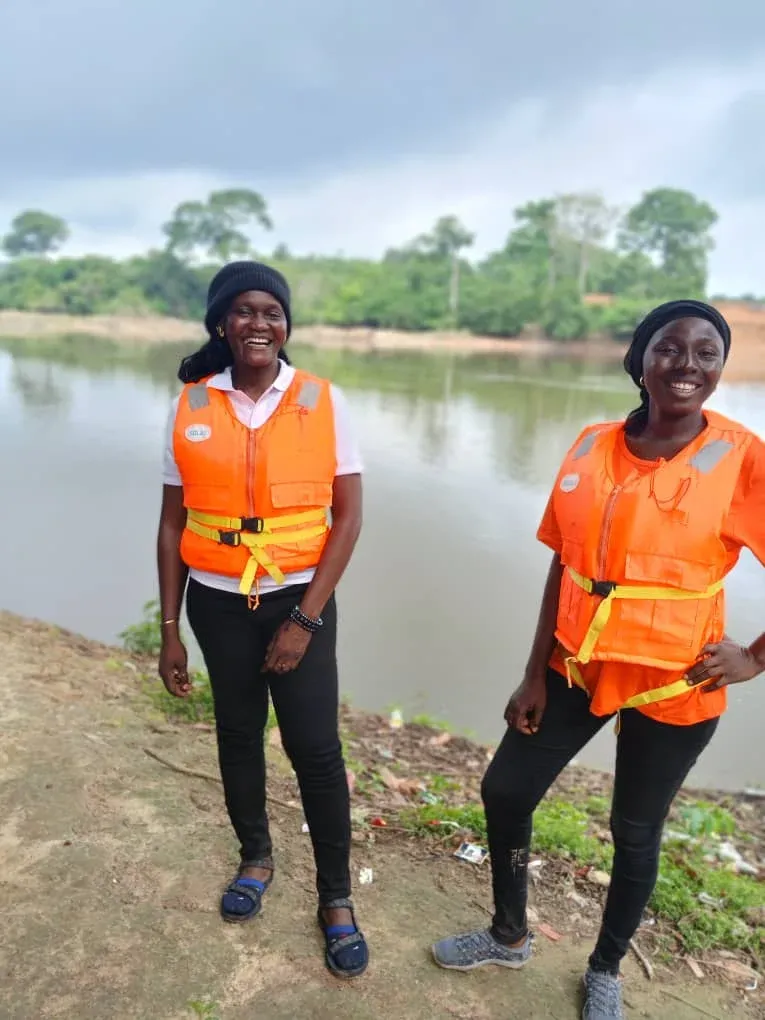
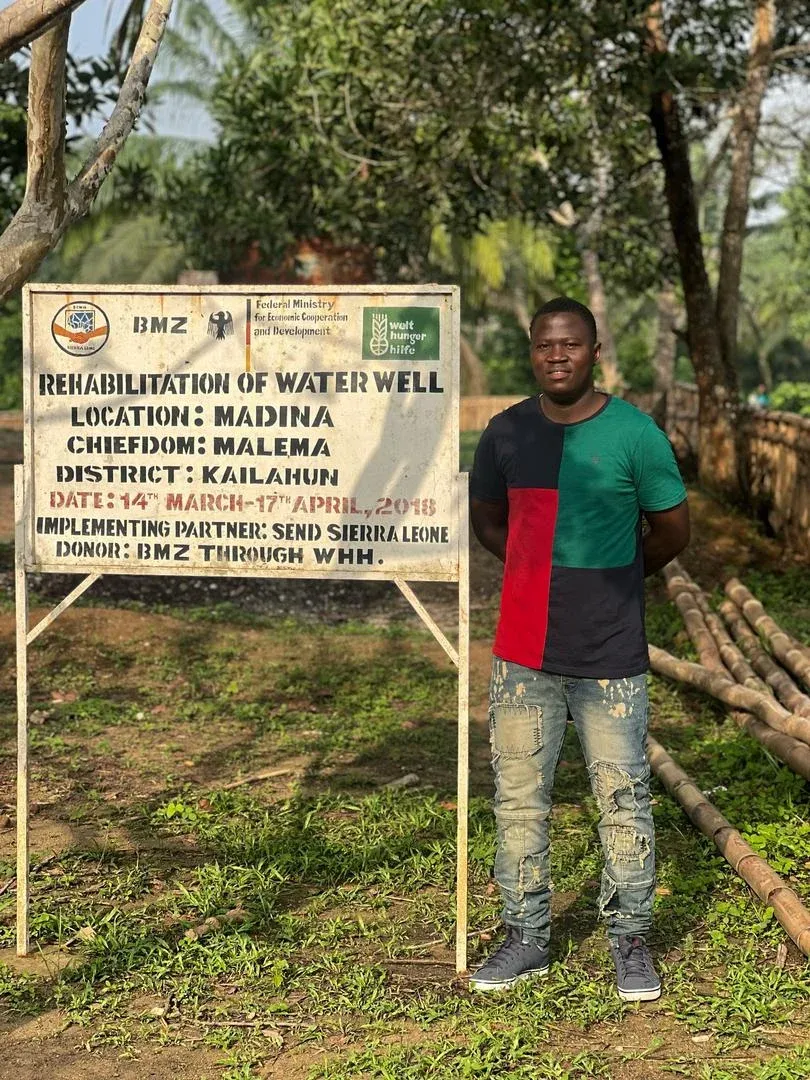
An IfD field researcher at a rehabilitated water well in Kailahun District

Data collection

Quantitative, qualitative and mixed-methods data collection, from in-depth interviews and focus groups to large-scale household surveys, by trained enumerators using digital tools such as KoboToolbox, in urban, rural and hard-to-reach settings.

See Data collection.

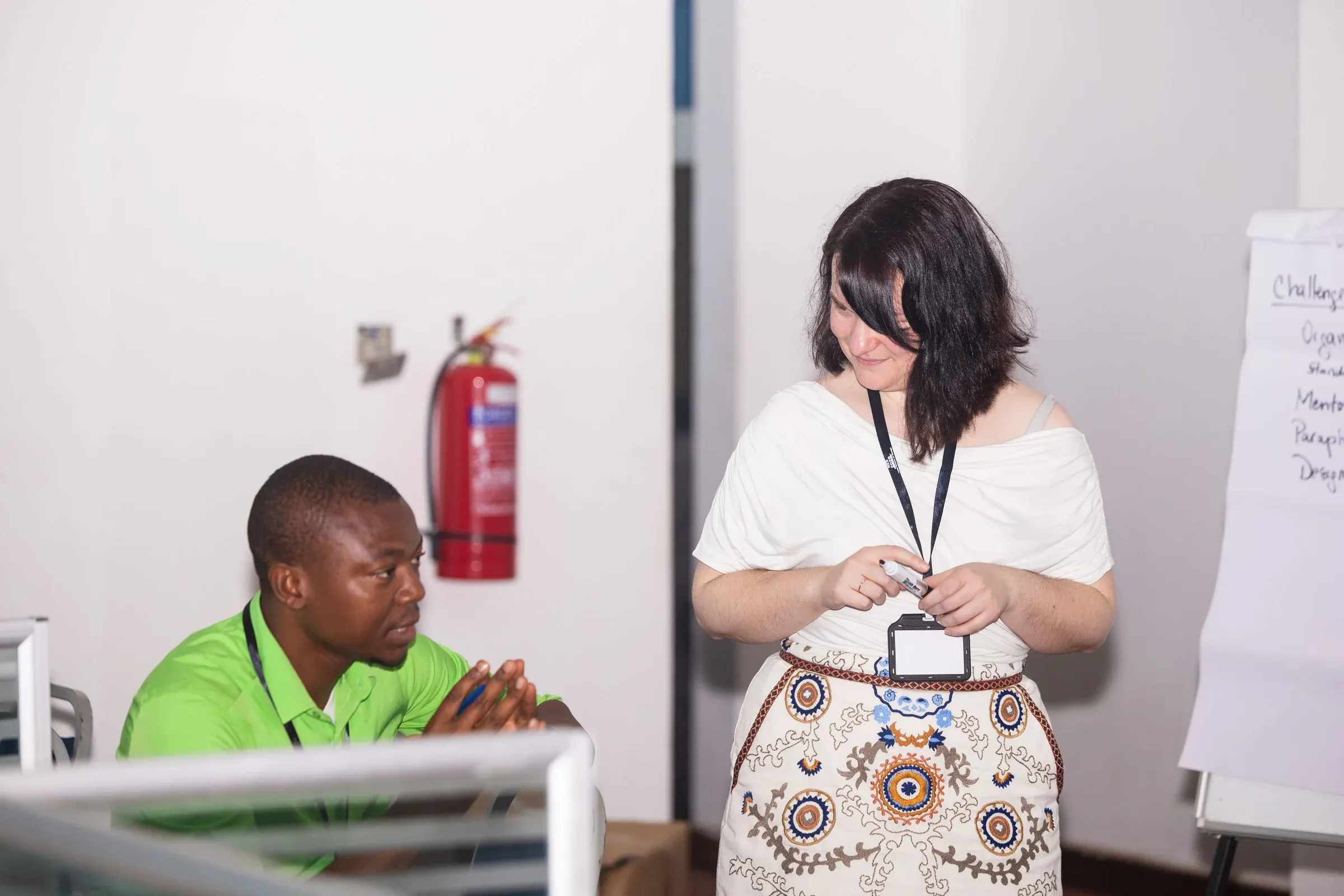
IfD researchers working through findings at a flipchart

Data analysis

We turn raw data into clear findings, quantitative, qualitative or both, depending on what each study needs: Stata, R, Python and Excel for the numbers; MAXQDA, NVivo and Dedoose for the interviews.

Where the data allow, we use designs that show change over time, such as interrupted time series.

The method behind this chart, explained: Did it work? Using interrupted time series.

A researcher writing notes at a desk beside a laptop showing charts and a stack of reports

Report writing

Clear, well-evidenced writing tailored to its audience: full technical reports for researchers and funders, policy briefs and one-page summaries that busy decision makers can act on, in English and Krio.

Our reports, briefs and papers are in the publications library.

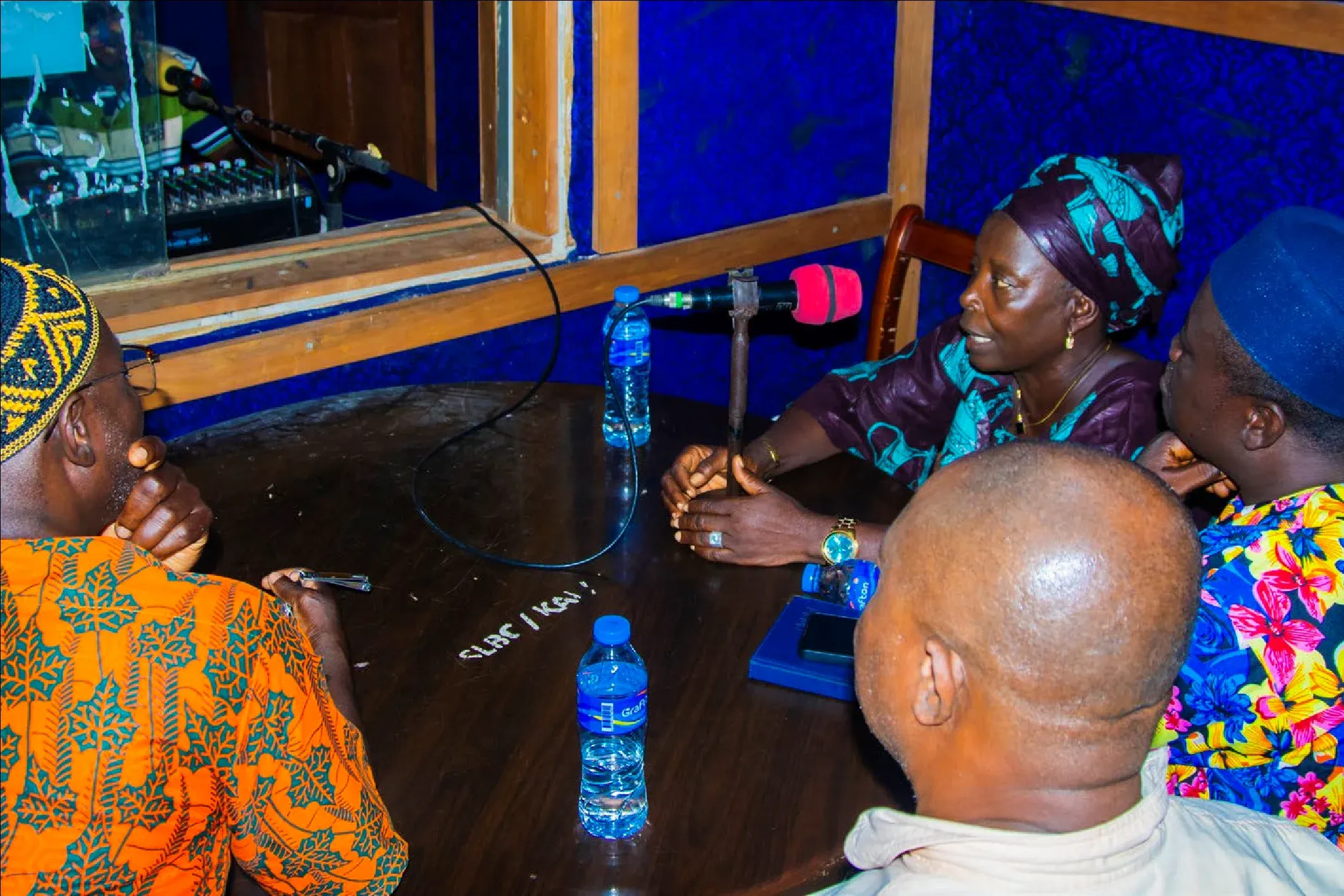
IfD researchers in discussion with community and government representatives

Stakeholder engagement

Evidence only matters if it reaches the people who can use it. We bring together government, civil society, researchers and communities through reform coalitions, as in our work with ReBUILD for Resilience and the ACRC.

We also host the National Evidence Summit, which brings together researchers, policymakers, practitioners, young people and communities to share evidence and shape Sierra Leone’s future.

Recent mixed methods studies

More about our mixed methods research

Our other services

Commissioning this kind of work?

Tell us the decision you are trying to make and we will tell you what evidence would help, and how we would gather it.